For over a decade, the Forza Horizon series has been the undisputed king of open-world arcade racing. However, let’s be honest: the formula that worked flawlessly in Australia or Britain started to run on fumes by the time we hit Horizon 5‘s Mexico. The biggest issue with the previous installment was a total lack of meaningful progression. You were showered with multi-million dollar hypercars in the first 20 minutes, crowned a “Superstar” just for showing up, and left with zero motivation to actually drive. Why try to win a race when your garage is already overflowing with free hypercars from wheelspin spam?
In Forza Horizon 6, Playground Games has finally listened to the community and hit the reset button. They haven’t just transported the festival to the most highly requested setting in franchise history Japan they have fundamentally changed the rules of engagement. Has the series finally cured its progression problem? Is Tokyo a drifter’s dream, or does the game hit a technical wall? Let’s dive in.
From Tourist to Legend: The Return of Meaningful Progression
The most impactful change in Forza Horizon 6 is that you are no longer a racing god upon arrival. You are simply a tourist who loves cars, stepping off a plane in Japan with big dreams of qualifying for the Horizon Festival. Nobody knows your name, and nobody is handing you a Bugatti for free.
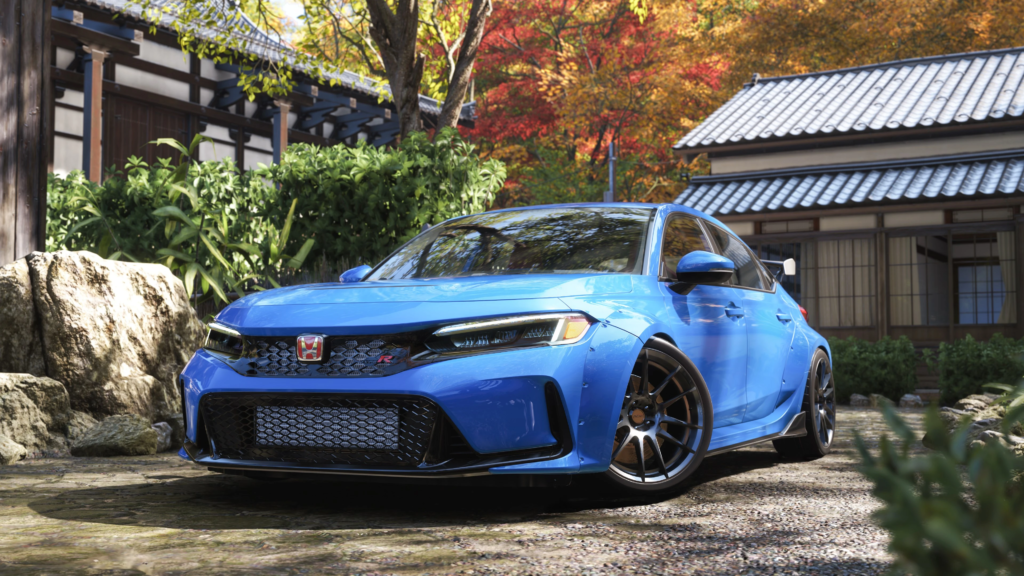
At the start, a local friend lends you three basic commuter cars, and from there, you are on your own. The game now enforces strict class restrictions on official festival races. Even if you manage to scrape together enough credits to buy a hypercar early on, you won’t be allowed to race it in official events until you unlock the late-game Purple Bracelet. This is a masterclass in pacing: it forces you to genuinely appreciate lower-tier cars, learn their handling quirks, and feel a real sense of accomplishment with every upgrade.
Two Parallel Journeys: The Festival vs. Discovery Japan
The campaign is cleanly split into two independent yet complementary progression tracks, guided by two new companion characters: George (a motorsport purist) and May (a local deeply embedded in Japanese car culture).
1. The Horizon Festival Track (Curator: George)
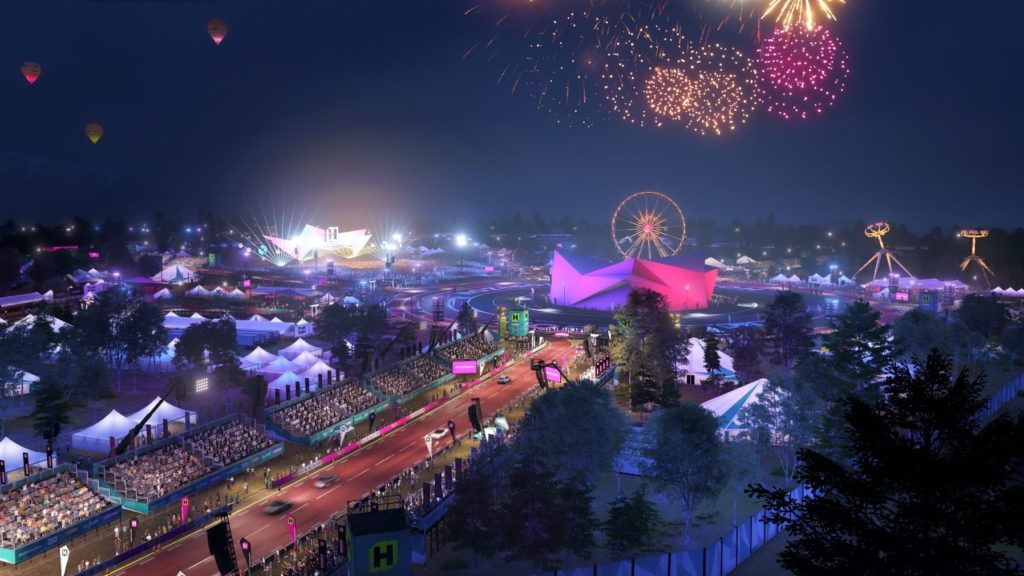
This is your classic, high-profile Forza campaign. Your objective is to secure 7 Festival Bracelets. Each new color unlocks faster car classes, higher stakes, and jaw-dropping Showcase Events.
The Showcases themselves are more wonderfully absurd than ever. In one standout event called Chair Zero, you chase a colossal, falling Japanese Mecha robot (reminiscent of Gundam) that actively smashes obstacles onto the tarmac right in front of your hood. Playground Games also introduced Horizon Rush—highly technical obstacle courses where you delicately navigate narrow shipping containers in the Tokyo docks or launch off massive ski ramps at the Sotoyama winter resort.
2. The Discovery Japan Track (Curator: May)
This is a pure love letter to authentic JDM and underground street culture. Inspired by the real-life Japanese tradition of collecting regional travel stamps, you carry a digital explorer’s journal. You fill it by taking on beautifully curated cultural challenges:
- Underground Night Racing: Illegal street meets tucked away in industrial parks and subterranean tunnels.
- Mountain Touge Duels: Intense, 1v1 canyon races on narrow, winding mountain passes heavily inspired by Initial D.
- Pristine Deliveries: High-stakes transport missions where you must deliver rare tuner cars to clients without a single scratch.
- Kei Truck Food Delivery: Easily the most entertaining minigame in years. You are thrown into a tiny, underpowered Japanese micro-truck, dressed as a courier, and forced to deliver food through dense traffic. The further you progress, the tighter the time limits become and the harder it is to keep your cargo intact.
The Japan Map: Breathtaking Biomes and Crowded Compromises
Geographically, the Forza Horizon 6 map is a visual masterpiece and arguably the finest map layout in franchise history—but it comes with a major caveat.
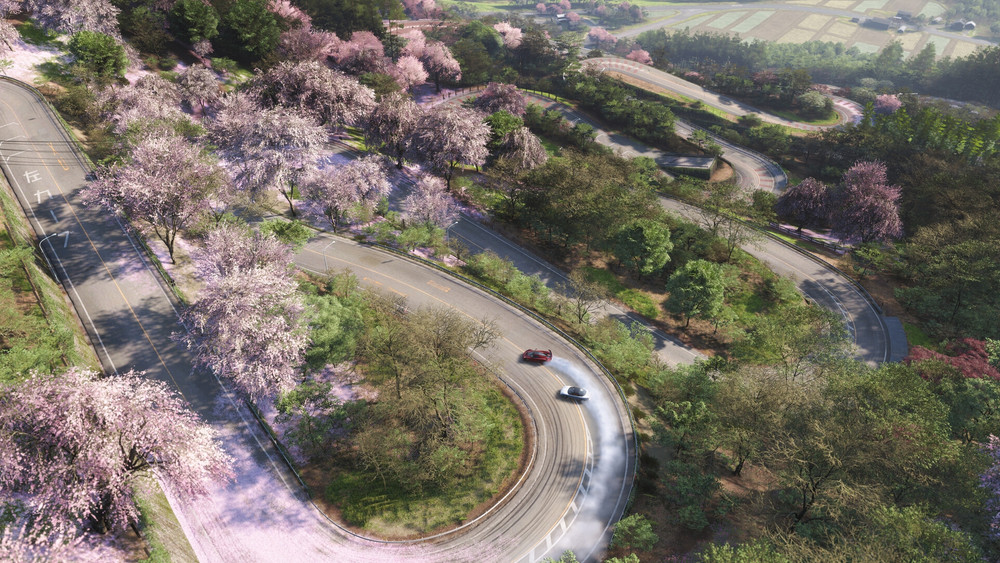
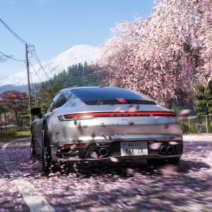
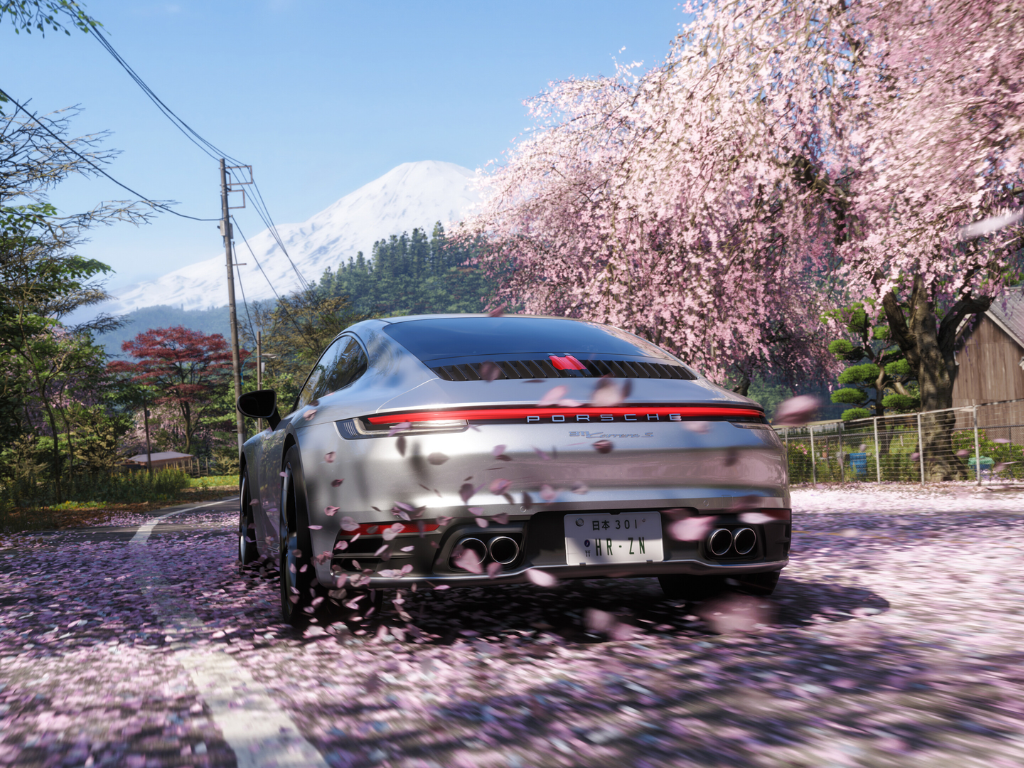
The environmental variety is staggering. In a single driving session, you can drift through dense bamboo forests, blast past rural rice paddies, ascend into snow-covered mountain passes, and suddenly merge onto a multi-level concrete highway slicing through Tokyo. The verticality of the terrain is unprecedented for the series.
However, the illusion cracks slightly when you enter central Tokyo. For the most densely populated metropolis on Earth, the streets feel remarkably empty. Ambient traffic is surprisingly sparse, and pedestrians are completely missing from the sidewalks, appearing only behind barriers during official races where they repeat synchronized, identical animations. Up close, some urban building textures look flat and dated. It is a highly obvious optimization compromise made to preserve frame rates, but it undeniably chips away at the city’s immersion.
Unlocking Cars: Quality Over Quantity
The controversial “Wheelspin spam” has been dialed back significantly. Cars no longer rain from the sky by the dozen, making vehicle acquisition feel organic and rewarding again. Instead of relying on RNG luck, players can expand their garage through dedicated gameplay mechanics:
| Unlock Method | How It Works | Key Feature |
| Treasure Cars | May sends you a vague photograph of a hidden car. | You must decipher the location on the map yourself. |
| Barn Finds | Classic exploration of abandoned rural barns and sheds. | Encourages off-road exploration and scouting. |
| Avtodoria (Roadside Sales) | Pre-modified tuner cars parked randomly on the roadside by NPCs. | You can pull over and buy them directly at a discount. |
| Auction House | Peer-to-peer marketplace trading between real players. | A living, player-driven economy for rare builds. |
Player housing and garages have also received a massive upgrade. You can buy anything from a multi-million credit mountain estate overlooking a river to a cheap, abandoned rustic garage in the woods. Garages are now fully customizable, letting you arrange your vehicle fleet and place decor manually. (Note: The loading transitions into the garage trigger unskippable cutscenes, which can feel frustratingly long).
Technical Performance, Physics, and Customization Quirks
On the physics front, FH6 nails its signature sim-cade sweet spot. Vehicles have a convincing sense of weight, and the tuning system is deeper than ever for enthusiasts who want to fiddle with tire pressure and suspension geometry. That said, a few car models feel slightly glitched at launch—the Lotus, for instance, handles like “a dog on ice,” completely defying its real-world reputation for lightweight agility.
Launch-Week PC Performance Issues
If you are playing on PC, there are a few technical hurdles to watch out for. For the first time, Forza features full Ray Tracing (RTX) directly on the track during gameplay, rather than just in the photo mode or garage. However, the implementation is unpolished. On default settings, the game frequently pairs track-side RTX with aggressive upscalers like DLSS or FSR, causing massive visual ghosting and trailing artifacts behind the car during high-speed night racing. Until a dedicated patch drops, we highly recommend keeping Ray Tracing turned off for a smoother experience.
On the bright side, cross-save functionality works flawlessly between Xbox and PC, allowing your garage and progression to carry over seamlessly.
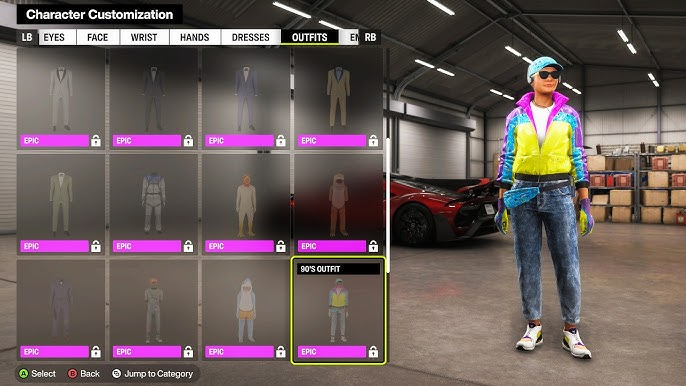
A minor but frustrating step backward can be found in the character creator. While the developers added excellent inclusive options—such as hearing aids, prosthetic limbs, and pronoun selections—they completely neglected basic customization. The facial models are limited and look surprisingly dated, and there is an absolute absence of facial hair or glasses options, making it surprisingly difficult to create an avatar that resembles yourself.
The Verdict: Is Forza Horizon 6 the Best in the Series?
Despite its quiet Tokyo streets and minor launch-week PC optimization bugs, Forza Horizon 6 is a triumphant return to form for Playground Games.
By scaling back the unearned rewards of the past and building a deeply engaging, dual-track progression model, the developers have restored the addictive “just one more race” feeling. The map of Japan is a scenic masterpiece that keeps exploration feeling fresh for dozens of hours, and the sheer variety of activities ensures that arcade racing fans will stay hooked for months.
Pros:
- A visually stunning, vertical, and incredibly diverse map of Japan.
- An excellent, rewarding progression loop that values player time.
- Deeply authentic integration of JDM and mountain drift culture.
- Drastically reduced wheelspin spam and meaningful car collection mechanics.
- Flawless cross-save integration.
Cons:
- Tokyo’s city center feels sterile due to low traffic and zero pedestrians.
- Noticeable PC ghosting issues when combining RTX with DLSS/FSR.
- Disappointingly restrictive character customization options.
Final Score: 8.5 / 10
Frequently Asked Questions (FAQ)
What is the setting of Forza Horizon 6?
Forza Horizon 6 is set in a stylized, compressed version of Japan. The map features urban Tokyo, sprawling highway networks, traditional bamboo forests, rural farming villages, and the snowy mountain peak of Sotoyama.
Does Forza Horizon 6 have a story mode?
Yes. Unlike previous games where you started as a celebrity, FH6 features a zero-to-hero story campaign. You play as a visiting tourist who must climb the ranks from lower-class commuter cars to hypercars by earning 7 Festival Bracelets.
How does cross-save work in Forza Horizon 6?
The game supports seamless cross-platform progression across Xbox and PC ecosystems. Your profile, unlocked vehicles, properties, and credits sync automatically through your cloud profile.
What is the SpecRace mode in FH6 multiplayer?
SpecRace is a highly balanced competitive multiplayer mode where all players are assigned the exact same vehicle with identical tuning configurations. This removes vehicle performance advantages, ensuring that victory relies entirely on driving skill.